

The world of online fitness has seen a boom since then COVID-19 Outbreak early last year. With gyms, studios, and track and field clubs around the world having to close indefinitely, ongoing global restrictions have forced the nearly $ 100 billion fitness industry to adopt a new way of working online, leaving users within the four walls of their business limited at home for the foreseeable future.
Home fitness equipment was sold between March and July last year increased by over 2000% in the UK aloneand while much of it included weights, yoga equipment, and the like, the world of streaming services and virtual trainers began to boom too.
While these numbers could be impressive (and largely expected) for 2020, as gyms reopen around the world and the June 21 date marks a return to normal, at least for the UK, the question is what the future looks like on virtual fitness long term.
According to a current one Ofcom studyAdults across the UK currently spend an average of 6 hours 30 minutes a day looking at screens, whether through leisure, exercise or working from home. This increased screen time raises concerns about when the restrictions will finally be lifted. Will users really be interested in spending more time in front of a screen than is really needed?
1 of 2
Peloton
2 of 2
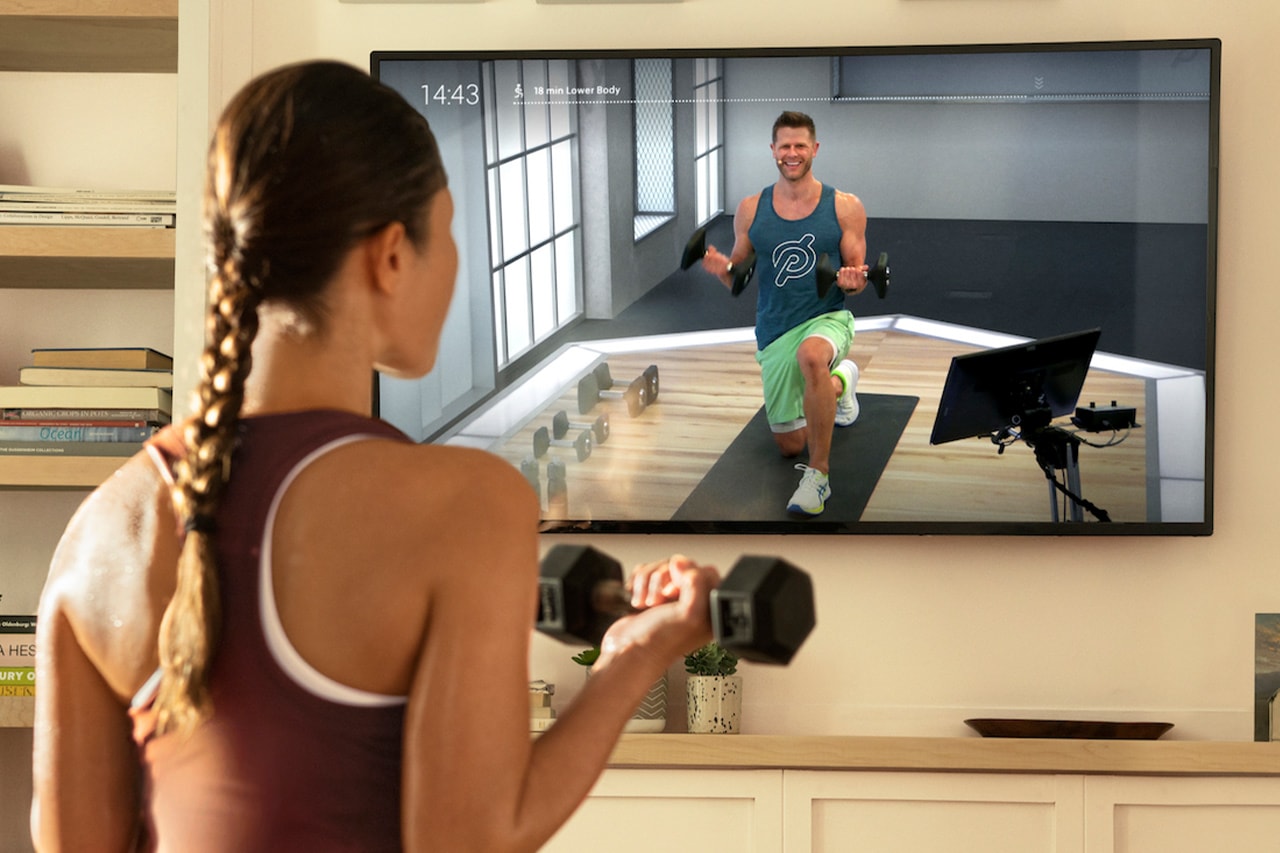
Peloton
Peloton, the New York-based fitness platform, believes it is. “Digital technology enables people to regain control of their lives and do what they want when they want,” explains Kevin Cornils, Managing Director International for the brand. “You have seen other industries that have moved back home – games and movies, for example – and there has been a higher quality experience in your own time.”
The streaming fitness company, which early believed in the benefits of home fitness, geared its products towards online classes and interactive modes long before COVID. It is this experience that Cornils identifies as key to the long-term future of virtual fitness.
“We see the value of convenience and what we call the ‘two-second walk’ from bed to bike,” he continues. “You get up, splash some water on your face and jump straight onto the bike. I think this will continue to be relevant as we return to a new normal. ”
While extending screen time could be an issue for some businesses using the California-based platform Zwift has been looking for ways to increase the number of users staring at the screens by introducing the unique Esports offering. Originally designed as a competitive outlet for professional riders and amateurs, Zwift partnered with some of the most respected organizers in cycling during the first COVID outbreak last year. Events such as the Virtual Tour de France and the very first UCI Cycling were held here. Esports World Championships, in which riders from more than 130 countries worldwide took part. This continuous innovation effort will be critical to the future of the brand.
“Last year it became clear that people like to exercise actively at home and are much more aware of what they are getting.”
“It’s important that we can provide the content to Zwifters to keep them busy,” said Chris Snook, senior PR manager at Zwift. “That means new roads, more training plans, new race formats and better events. We also have the opportunity to “gamify” the platform even more than it is today in order to make it more attractive to a much wider audience. ”
The cycling-oriented company, which has since expanded its product to include operations, started as a full-fledged subscription company for the first time in 2015 and has since recorded a steady increase in its customer base compared to the previous year, with an increase of 191% in the past year alone.
“The pandemic has certainly helped accelerate our growth over the past 12 months,” says Snook. “We have seen that our subscriber base is more than twice as large. While our main marketing areas have always had strong growth in the past, we saw noticeable increases in subscribers in countries that were hardest hit by lockdowns – France, Spain and Italy all saw strong increases in subscribers. ”
1 of 2

Zwift
2 of 2

Zwift
While the number of users on fitness-specific platforms has increased, the ever-changing world of Instagram suddenly expanded when the pandemic broke out too. Kirsty Godso, a master trainer for Nike Training Club app, has been filming for the brand for over nine years and has increased its production tenfold during the lockdown. With many people around the world disengaged from home, Godso still believes that the relationships between online trainers and their users will continue the home trend.
“Many users have developed strong bonds with the trainers they followed and trained with virtually,” she told HYPEBEAST. “This profound connection, made in a vulnerable and uncertain time, is something that has true value and loyalty. Training from home is also a good cost-saving method, with plenty of free online options and the security of potential exposure to COVID even in a shared training environment. ”
“Many users have developed strong bonds with the trainers they followed and with whom they practiced virtually. That deep connection is something that holds true value and loyalty. ”
Godso also believes that the key to keeping users interested also lies in fitness companies that are partnering with more data-driven outlets to create a richer experience. “When platforms work with more data-driven brands, users can get a more granular view of their daily activity and recovery,” she said. “What I would like to see are collaborations that offer a portal on which you can open up all areas of your health and well-being, be it training, nutrition, mindfulness, sleep and relaxation, so that you really understand your health and well-being and get to know ”.
Though it’s unclear to many if home exercise will continue to increase once we get a sense of normalcy back for the rowing machine company HydrowIt only goes one way. After a successful launch in the US, Hydrow recently expanded its offering to the UK market.
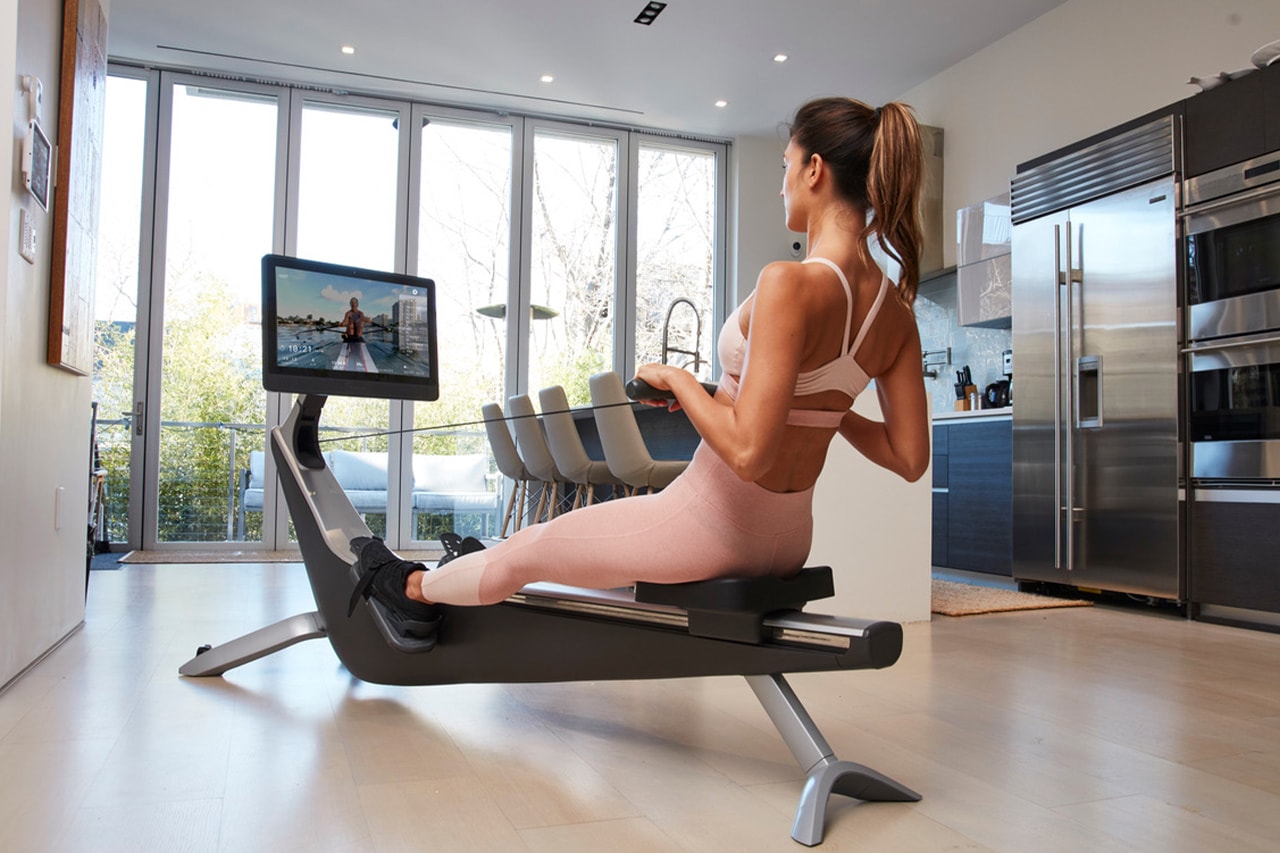
Hydrow
While the cost is prohibitive – a machine costs £ 2,295 (about $ 3,200) with a monthly subscription of £ 38 ($ 52) – Bruce Smith, CEO of the brand, has been monitoring the encouraging growth and is confident that the trend will continue will continue beyond the pandemic. “Last year it became clear that people like to exercise actively at home,” he explains. “Users know what they’re getting a lot better.”
As much of the world approaches a new sense of normalcy, only time will tell if exercising in your own living room will trump gyms and boutiques in the long run. But if we have learned something from last year, it is that new and more comfortable ways of living are certainly in the foreground of all thoughts.


